
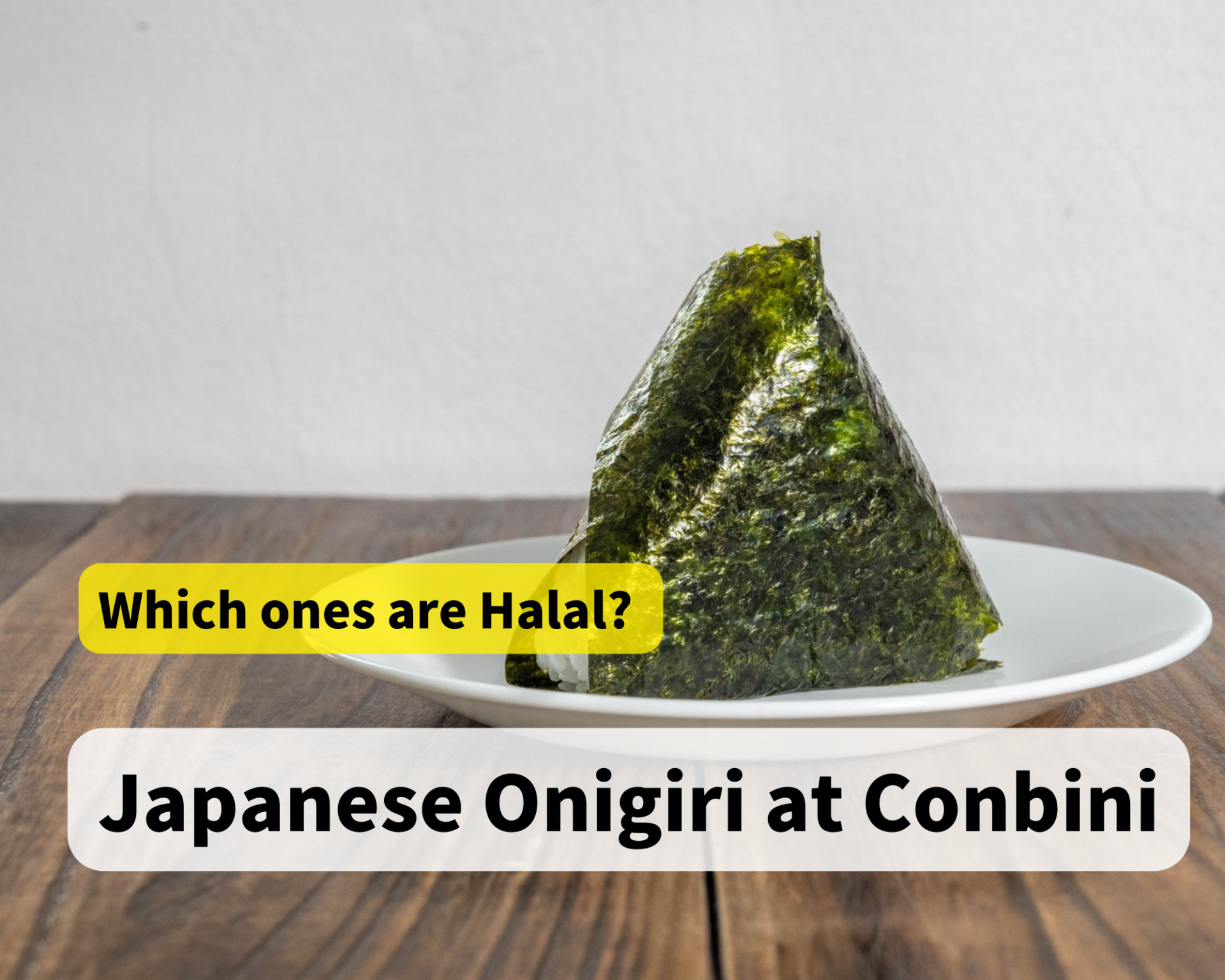

⚠️ First — Can Muslims eat convenience store onigiri in Japan?
Before choosing any onigiri, there is something very important you need to know.
In Japan, alcohol is sometimes used during the production process of rice to prevent bacterial growth.
If the alcohol evaporates and is no longer detectable, Japanese law does not require it to be listed on the ingredient label.
👉 This means:
Even if an onigiri looks “safe” based on the label, it may still have been exposed to alcohol during production.
For this reason, we generally do NOT recommend convenience store onigiri for Muslims who want to strictly avoid any risk.
However, if you understand the situation and still wish to choose carefully, here is how you can reduce the risk.

👉Check how we ensure Muslim-friendly Tour in Japan
What is “Onigiri” and Why Is It Popular?
Onigiri (rice balls) are one of Japan’s most popular light snacks.
These triangle-shaped rice balls are simple, delicious, and easy to carry—perfect for travelers.
You will often find them wrapped in a unique packaging that keeps the seaweed (nori) crispy until you open it.
When you visit Japan, you will quickly notice the abundance of convenience stores—called “conbini”—especially in cities like Tokyo.
Some streets even have the same store chains facing each other!
They are open 24/7 and offer services like ATMs, parcel delivery, and printing.

Major Convenience Stores in Japan
The three biggest chains are:
- 7-Eleven
- FamilyMart
- Lawson
You can find them almost everywhere in Japan.
In regions like Hokkaido, there are also local chains such as:
- Seicomart
- Mini Stop
Each store may carry slightly different products, so ingredients can vary.
Which Onigiri Flavors Are Safer Options?
While no option is guaranteed to be fully Halal, these flavors are generally lower risk (no meat):
- Grilled salmon (鮭)
- Salt (塩)
- Umeboshi / salted plum (梅干し)
⚠️ Use extra caution with:
- Tuna mayonnaise (ツナマヨ)
- Okaka (おかか)
These may include seasonings containing small alcohol.
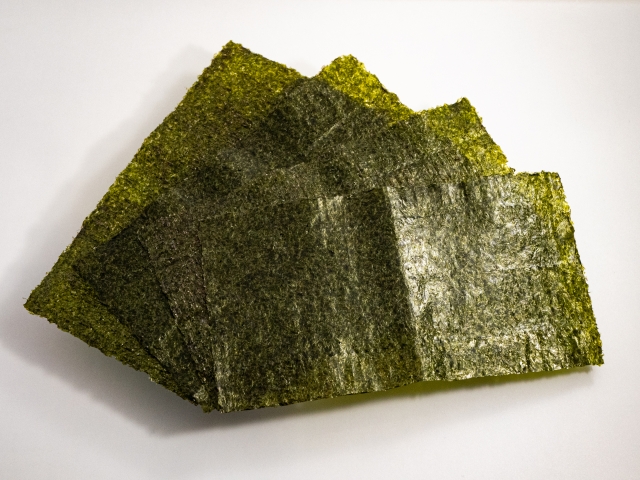
⚠️ Hidden Risk: Seasoned Seaweed (Ajitsuke Nori)
Even if the filling is safe, the seaweed can be a problem.
Some onigiri use seasoned seaweed (味付け海苔 / Ajitsuke Nori), which often contains:
- Soy sauce
- Mirin (sweet rice wine → contains alcohol)
👉 This means the product may include alcohol even if the filling looks safe.
Useful phrase to ask staff:
このおにぎりは味付け海苔ですか?
(Is this onigiri made with seasoned seaweed?)
A Better Alternative for Muslim Travelers
If you want a safer and more enjoyable experience, we strongly recommend:
👉 Visiting an onigiri specialty restaurant instead
There, you can:
- Choose plain (non-seasoned) seaweed
- Select fillings without meat or alcohol-based seasoning
- Sometimes even request customization
This is a much more reliable option compared to convenience stores.


Travel in Japan Without Worry
Food uncertainty is one of the biggest concerns for Muslim travelers in Japan—especially with hidden ingredients and frequently changing recipes.
That’s exactly why many travelers choose Muslim-friendly tours in Japan, where:
- Meals are carefully arranged
- Prayer spaces are planned in advance
- Local support is always available
👉 If you want to explore Japan stress-free, check our curated experiences:
Muslim-friendly tours in Japan
We support you so you can enjoy Japan with confidence—without constantly worrying about what you can eat.
👉Check how we ensure Muslim-friendly Tour in Japan