

Vegetarian meal in Japan.
Many Muslim travelers assume that choosing a vegetarian meal in Japan is the safest and easiest option.
No pork. No meat. Simple — right?
Not always.
Understanding how vegetarian food is prepared in Japan is very important if you want to enjoy your trip with peace of mind.

👉Check how we ensure Muslim-Friendly Tours in Japan.
Vegetarian Food in Japan: Growing but Different
In recent years, vegetarian and vegan lifestyles have become more visible in Japan. Cities such as Tokyo and Kyoto now offer more plant-based restaurants than ever before.
However, Japan is not traditionally a vegetarian country. Most Japanese cuisine still relies heavily on:
- Fish-based broth (dashi)
- Soy sauce
- Mirin (sweet cooking sake)
- Sake
This is where the main concern for Muslims begins.
The Buddhist Influence: Shojin Ryori
Japan does have a long history of plant-based cuisine rooted in Buddhism. Traditional temple cuisine is called Shojin Ryori, served in temples across places like Kyoto and at temples such as Koyasan.
Shojin Ryori avoids:
- Meat
- Fish
- Strong-smelling vegetables (garlic, chives, leeks)
However, even these Buddhist vegetarian dishes may still include:
- Mirin
- Sake
- Soy sauce containing alcohol
So while the dish is vegetarian, it is not automatically Halal.

Even today, many Buddhist temples in Japan serve traditional vegetarian cuisine (Shojin Ryori) to visitors as part of the cultural experience. When you visit temples for sightseeing, you may have the opportunity to try these beautifully prepared plant-based meals.
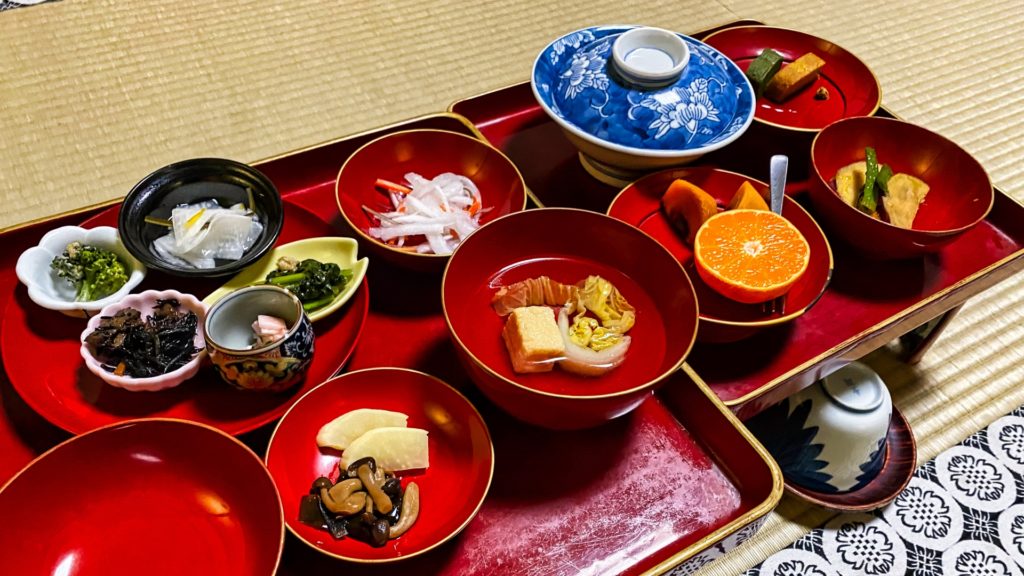
Although the cuisine originates from Buddhist practice and spiritual discipline, visiting a temple does not require participating in any religious rituals. For some Muslim travelers, the religious background of the meal may not be a primary interest. However, it can still be a meaningful cultural experience and a chance to appreciate Japan’s long culinary history.
With the right understanding and proper ingredient confirmation, it can be an insightful way to explore Japanese food culture while traveling.
So, Is Vegetarian Food in Japan Halal?
The honest answer:
Not necessarily.
Here’s why:
1. Alcohol-Based Seasonings
Many Japanese vegetarian dishes use:
- Mirin (sweet rice wine)
- Sake
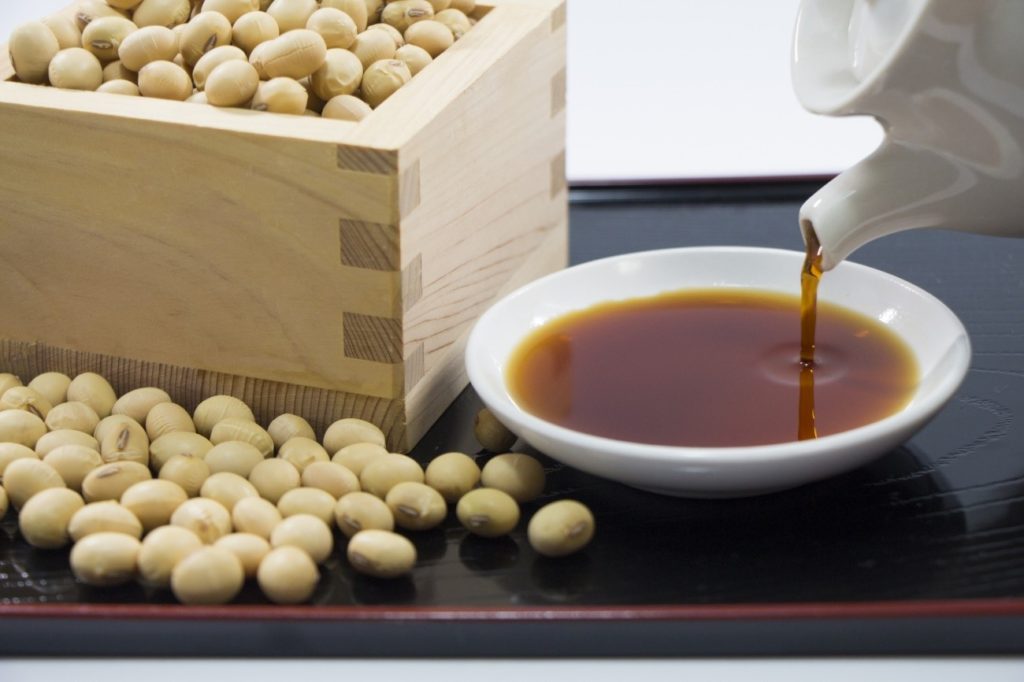
- Soy sauce that may contain a small percentage of alcohol
Even if the alcohol is cooked off, some Muslims prefer to avoid it completely.
2. Cross-Contamination
In restaurants that also prepare meat (especially pork) dishes:
- The same kitchen tools may be used
- Fryers may be shared
- Cooking surfaces may not be separated
For some travelers, this risk matters. For others, it may be acceptable. It depends on your personal level of strictness.

Vegetarian meals can still be an option — but with awareness.
Vegetarian meals can still be an option — but with awareness.
Before choosing a vegetarian dish:
- Ask what seasonings are used
- Confirm whether alcohol-based mirin or sake is included
- Ask if separate utensils or cookware are available
If your goal is simply to avoid pork and non-Halal meat, seafood options may be equally practical — but remember: seafood dishes often use the same seasonings.
The seasoning issue does not disappear just because the dish is vegetarian.
A Safer Approach: Muslim-Friendly Support
If checking ingredients in Japanese feels stressful, you are not alone.
Many first-time visitors struggle with:
- Reading Japanese labels
- Explaining alcohol restrictions
- Communicating cross-contamination concerns
This is where joining a Muslim-friendly tour in Japan makes your journey much smoother.
With professional support:
- Ingredients are checked in Japanese
- Restaurants are contacted in advance
- Prayer time is scheduled into your itinerary
- Family needs are clearly communicated
Instead of worrying at every meal, you can focus on enjoying Japan with confidence.


Final Reminder
Vegetarian does not automatically mean Halal in Japan.
The main concerns are:
- Alcohol-based seasonings
- Shared kitchens and utensils
With proper knowledge and preparation, Japan can still be a comfortable and enjoyable destination for Muslim travelers.
If you would like a carefully arranged experience with reliable meal coordination, explore our Muslim-friendly tours in Japan — designed to help you travel safely, confidently, and peacefully.
👉Check how we ensure Muslim-Friendly Tours in Japan.