

Can We Order Muslim-Friendly Food If We Speak in Japanese?
If you are a Muslim planning to visit Japan, you may think:
“Maybe I can just learn a few Japanese phrases and order food safely.”
It sounds like a smart idea. However, in reality, speaking Japanese alone is not enough to ensure your food is halal in Japan.
In many cases, it can even be risky. Here is why.
👉Check how we ensure Muslim-friendly Tour in Japan
Common Japanese Phrases Muslims Try to Use
Many travelers prepare phrases like:
- “Does this contain pork?” (豚肉は入っていますか?)
- “Does this contain alcohol?” (アルコールは入っていますか?)
- “I don’t eat pork or alcohol” (豚肉やアルコールの入った料理は食べません。)
These phrases are helpful for communication.
But unfortunately, they do not guarantee halal food in Japan.

Why Speaking Japanese Is Not Enough
1. Japan is not a Muslim country
Japan is not a Muslim-majority country, and halal is still not widely understood.
Most people:
- Have never learned what halal means
- Are not familiar with dietary restrictions beyond “no pork”
- Have no training in handling halal requests
So even if you clearly explain your needs in Japanese,
👉 the staff may not fully understand what is required
2. Even Japanese people do not fully know what’s inside the food
Even local people often:
- Do not know all ingredients used in a dish
- Do not recognize certain items as alcohol
- Are unaware of animal-derived additives
For example:
- Ramen soup is often made with pork-based broth or gelatin
- Mirin, basic Japanese seasoning made from sweet wine, is widely used but not always recognized as alcohol
- Seasonings may include hidden non-halal elements
So when you ask a question in Japanese:
👉 the answer may sound confident
👉 but may still be incorrect
Not because of bad intention — simply because they don’t know.
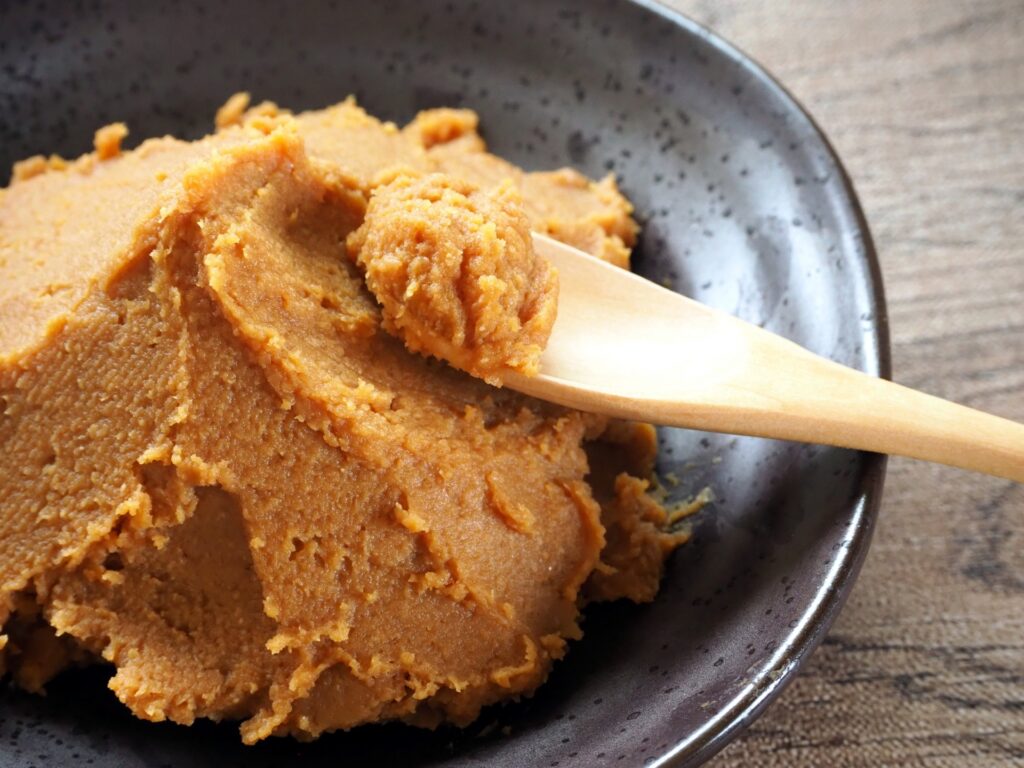
3. Alcohol is often “invisible”
Alcohol is very common in Japanese cooking:
- Sauces
- Marinades
- Soup bases
Also, Japanese labeling laws may not require alcohol to be listed if it evaporates.
So:
👉 You may be told “no alcohol”
👉 even though alcohol was used during cooking
4. Cross-contamination is rarely understood
Even if ingredients seem safe:
- The same grill may be used for pork
- The same oil may be reused
In Japan, this is generally not considered an issue.
So staff may say “it’s okay” without realizing your concern.

5. Special requests on the spot can be difficult
Another important cultural point:
In Japan, restaurants usually:
- Follow fixed recipes
- Do not expect major changes on the spot
Requesting special preparation without prior communication (such as removing alcohol or ensuring halal handling):
👉 may be difficult to accommodate
👉 may require changes the kitchen is not prepared for
In some cases, it may even be seen as placing an unexpected burden on the staff — not out of disrespect, but because it goes beyond normal service expectations.
Sometimes, staff may also feel anxious, as they may associate religious dietary requirements with allergy-related risks, where mistakes could lead to serious consequences.
6. Language does not solve knowledge gaps
Even if you speak perfect Japanese:
- Staff may misunderstand halal requirements
- Or answer based on limited knowledge
So the issue is not just language —
it is the lack of halal awareness and system support.

So, Can You Rely on Japanese Phrases?
Japanese phrases are useful for basic communication.
But they should never be your only method to determine if food is halal.
What Is the Safer Way to Travel in Japan as a Muslim?
To avoid unnecessary risk, it is better to:
✔ Choose Muslim-friendly restaurants
Places that already understand halal requirements
✔ Stay at accommodations with halal meal options
Hotels that can prepare meals properly with advance notice
✔ Use trusted and updated information
Because many online sources are outdated, especially after COVID
✔ Travel with reliable local support
So you don’t have to guess or take risks
Our Muslim-Friendly Tours in Japan
Traveling in Japan should be exciting — not stressful.
Our Muslim-friendly tours in Japan are designed to:
- Remove uncertainty about food
- Provide carefully selected dining options
- Support your journey with local expertise
So you can fully enjoy Japan with peace of mind.
👉 Explore our tours and experience Japan safely and comfortably.
Conclusion
Learning Japanese phrases is a great first step.
But in Japan, halal is not widely understood, and restaurants are not always prepared for special requests.
To travel with confidence,
you need more than language — you need reliable support.