

Complete Travel Guide for Muslim Travelers
Fukuoka is a vibrant gateway to Kyushu where coastal beauty, historic shrines, and relaxed city life come together — from traditional spiritual sites to lively food streets.
However, many Muslim travelers wonder:
- Can I easily find Halal food in Fukuoka?
- Are prayer spaces available?
- Is pork broth commonly used in local dishes?
- Will restaurants understand dietary restrictions?
- Is Fukuoka comfortable for family travel?
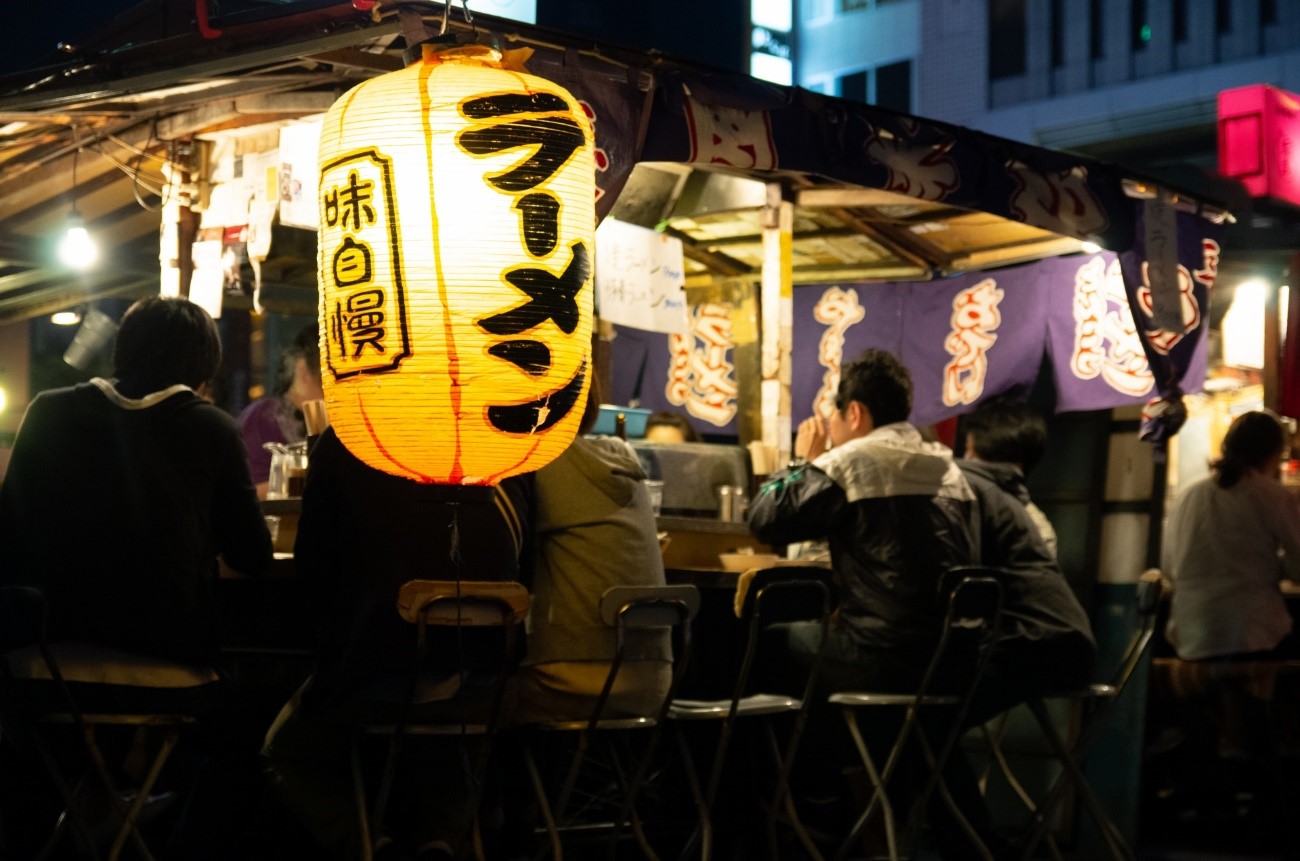
Fukuoka is famous for its ramen culture and night food stalls, but pork-based broth is widely used — even in dishes that may appear seafood-based. Ingredient transparency can sometimes be limited, which may cause uncertainty for Muslim visitors.
This guide explains how to explore Fukuoka comfortably — and how Muslim-friendly tours in Japan can simplify your journey with carefully arranged meals, prayer time consideration, and stress-free itinerary design.
👉Check how we ensure Muslim-friendly Tour in Japan
Is Fukuoka Muslim Friendly
Fukuoka is gradually becoming more welcoming to Muslim travelers. However:
- Halal-certified restaurants are still limited
- Pork-based broth is very common
- Prayer spaces are not widely available in tourist spots
With proper planning, Fukuoka can absolutely be enjoyed comfortably.
The key is preparation.
Food Considerations
Fukuoka is one of Japan’s most famous food cities — but it also requires careful attention for Muslim travelers.
Pork-Based Broth Is Very Common
Fukuoka is the birthplace of Tonkotsu ramen, a rich pork-bone broth ramen that is widely served across the city.
Even if a dish looks seafood-based or vegetable-based, the soup stock may still contain pork extract. Cross-contamination is also possible in small kitchens and night food stalls (Yatai).
It is important not to rely only on appearance.
Masjid / Prayer Space
Prayer spaces are also not as widely available as in larger metropolitan areas, and spontaneous arrangements can be difficult without preparation.
📍 Fukuoka Masjid Al Nour Islamic Culture Center – Main Mosque in Fukuoka
- This is the central mosque serving the Muslim community in Fukuoka (Hakozaki area). It has separate prayer spaces for men and women, and facilities for ablution (wudu). It also supports Friday prayers (Jumu’ah) and community events.
- Access: About 2 minutes’ walk from JR Hakozaki Station (Higashi-ku).
📍Prayer Space at “Fukuoka International Association / ACROS Fukuoka” (Tenjin)
- A small prayer area located on the 3rd floor of ACROS Fukuoka (Tenjin district). Typically open daily from ~10:00 to ~19:00.
- Note: It’s not a mosque (no official imam or Jumu’ah), but suitable for daily prayers.
📍Prayer Rooms at Fukuoka Airport
- International Terminal (Airside / Landside): Prayer rooms are available both before and after security on the 3F and 4F of the International Terminal — good for travelers to observe prayers before departure or after arrival.
🧭 Tips for Praying in Fukuoka
- In Japan, you can pray anywhere clean and respectful — quiet corners in parks, hotel rooms, or even train station waiting areas are acceptable if no formal facility is nearby.
Muslim-Friendly Accommodation in Tokyo
👉Muslim-Friendly Accommodations in Kyushu
Muslim-Friendly Restaurants
👉List of Halal restaurants in Fukuoka
When to Travel to Fukuoka
Located in Kyushu, Fukuoka enjoys a relatively warm climate throughout the year. Compared to northern Japan, winters are mild and comfortable, making it an easier destination for families traveling with children or elderly parents.

Best season: March – November
- June: Rainy season
- July–August: Hot and humid
- September: Possible typhoons
🌸 Cherry blossoms: Late March – April
🍁 Autumn foliage: Mid-November – December
For Muslim travelers who prefer comfortable sightseeing and easier prayer scheduling outdoors, spring and autumn are highly recommended.
Events / Festivals
Jan: Oniyo (鬼夜), Kurume 久留米
May: Hakata Dontaku (博多どんたく), Fukuoka
May: Kawawatari Jinko festival (川渡り神幸祭), Tagawa 田川
Jul: Kokura Gion Taiko (小倉祇園太鼓), Kokura 小倉
Jul: Hakata Gion Yamagasa (博多祇園山笠), Fukuoka
Jul: Tobata Gion Oyamagasa (戸畑祇園大山笠), Kitakyushu 北九州
Top Destinations in Fukuoka

Capital city: Fukuoka (福岡)
The capital of the prefecture and the largest city in Kyushu, Fukuoka blends modern life with history.
One of the most famous spiritual sites is Dazaifu Tenmangu, dedicated to Sugawara no Michizane, who is worshipped as the deity of learning. Over 8 million visitors come annually.
Plum blossoms bloom from late January — a beautiful and less crowded season to visit.
Important Food Note for Muslim Travelers
Fukuoka is famous for its night food stalls (Yatai) and ramen culture.
However, most traditional ramen uses pork broth.
Even seafood ramen may use pork-based stock. Ingredient transparency in Japan can sometimes be limited, so self-judging based on appearance can be risky.
For peace of mind:
- Choose clearly Muslim-friendly restaurants
- Confirm broth base carefully
- Consider arranging meals through a Muslim-friendly tour provider
This reduces unnecessary stress during your trip.


Itoshima (糸島)
Located about 30–40 minutes from central Fukuoka, Itoshima is a perfect coastal escape.
Highlights:
- White torii gate by the blue ocean
- Scenic coastal drives
- Waterfalls and nature parks
- Relaxed cafes
It is ideal for families, elderly travelers, and those seeking a calm atmosphere away from city crowds.

Shika Island (志賀島)
A small island rich in ancient history. The famous gold seal from the 1st century, proving early diplomatic exchange with China, was discovered here.
Points of interest:
- Gold Seal Park
- Shika Shrine (built in the 9th century)
A peaceful half-day destination from Fukuoka City.


Kita Kyushu (北九州)
The second-largest city in the prefecture, historically developed as a port town.
The nostalgic port area of Mojiko Retro features preserved Western-style buildings and warehouses.
Nearby:
- Kokura Castle
- Historic customs buildings
- Retro train station architecture
Kitakyushu is especially convenient for travelers arriving via Shinkansen.


Kokura (小倉) was an independent city but now it is a part of Kita Kyushu city. It is an entrance to Kyushu, so that you might be visiting this station when you transfer Shinkansen bullet trains.

Yanagawa (柳川)
Known as the “City of Water,” Yanagawa is famous for its canal boat cruises.
Experiences:
- Traditional boat rides through canals
- Over 500,000 sunflowers blooming in summer
- Views of the Ariake Sea
A relaxing destination perfect for slower-paced exploration.


Munakata shrine (宗像大社), Miike Colliery (三池炭鉱) and the Imperial Steel Works (八幡製鉄所)
Fukuoka Prefecture is home to several UNESCO sites, including:
- Munakata Shrine
- Miike Coal Mine
- Yahata Steel Works
These sites reflect Japan’s spiritual and industrial heritage.
Why Travel with a Muslim-Friendly Tour in Fukuoka?
Fukuoka is more compact and relaxed than Tokyo, but certain challenges still remain for Muslim travelers:
- Pork-based broth is extremely common (even in seafood-looking dishes)
- Halal-certified restaurants are limited
- Prayer spaces are not widely available in tourist areas
- Ingredient verification can be difficult due to language barriers
- Night food stalls often share cooking equipment
Because Fukuoka is known as a “food city,” food-related uncertainty can become the biggest source of stress if not planned carefully.
Our Muslim-friendly tours in Japan provide:
- Careful ingredient confirmation before dining
- Pre-arranged Muslim-friendly restaurant reservations
- Prayer-friendly itinerary scheduling
- Private transportation options for flexibility and comfort
- Family-focused pacing suitable for children and elderly travelers
With thoughtful preparation, you can enjoy Fukuoka’s coastal scenery, historical sites such as Dazaifu Tenmangu, and relaxed atmosphere — without constantly worrying about meals or prayer timing.
Travel should bring peace of mind. A Muslim-friendly approach makes that possible.
👉Check how we ensure Muslim-Friendly Tours in Japan