

Complete Travel Guide for Muslim Travelers
Kyoto is one of the most beautiful regions in Japan — famous for traditional wooden buildings, narrow streets and probably beautiful Geisha.
However, Muslim travelers often ask:
- Can I find reliable halal food in Hokkaido?
- Are there proper prayer spaces?
- Is seafood always halal?
- Is it safe and comfortable for Muslim families?
- Will hotels understand dietary restrictions?
This guide explains how to explore Kyoto with confidence — and how Muslim-friendly tours in Japan can make your journey easier and safer.

👉Check how we ensure Muslim-friendly Tour in Japan
When to travel to Kyoto
Kyoto experiences distinct seasons due to surrounding mountains and its location facing the Japan Sea. Summers can be hot and humid; winters are cold, occasionally with light snow.

Best season: March–November
Autumn foliage: November
Cherry blossoms: Late March–Early April
Events / Festivals
Jan: First Tenjin festival (初天神), Kitano Tenmangu (北天満宮)
Mar: Nagashi Bina doll festival (流し雛), Shimogamo shrine (下賀茂神社)
May: Kawadoko (川床), Kamogawa (鴨川)
Jun: Kifune festival (貴船祭り), Kifune shrine (貴船神社)
Jul: Gion festival (祇園祭), Yasaka shrine (八坂神社)
Oct: Jidai festival (時代まつり), Heian shrine (平安神宮)
Dec: Hana toro (花灯路), Arashiyama (嵐山)
👉Kyoto Guided Muslim-friendly Tour
Is Kyoto Muslim-Friendly
Food Considerations
Kyoto offers a growing range of Muslim-friendly experiences. Travelers can enjoy:
- Halal food options near temples, shopping streets, and city areas
- Prayer-friendly spaces at major temples, shrines, and public facilities
- Guided tours designed to avoid alcohol and pork
- Expert support for Muslim travelers’ needs
Booking through our OTA ensures that your trip is safe, comfortable, and fully Muslim-friendly.
👉Muslim-friendly Restaurants in Kyoto
Our Muslim-Friendly Tours in Kyoto
👉On-Arrival Muslim Support from KIX airport
👉Osaka/Kyoto Halal Support ✅2 days Guide and Halal advice
👉Arashiyama Bamboo Forest Muslim Tour
Masjid/Prayer Space
📍Kyoto Grand Mosque (京都グランド・モスク) – A major mosque for regular daily prayers and Jum’ah in Kyoto.
📍Kyoto Central Masjid (京都セントラルマスジド) – Active mosque run by the Kyoto Muslim Community.
📍Masjid Al‑Huda – Known for its unique interior and community atmosphere.
📍Islamic Research Center Japan (Kyoto) – Provides prayer services and Islamic education.
Prayer Spaces
📍M’s KYOTO INFORMATION CENTER
📍Prayer Room at Kyoto Station Tourist Info
📍Aeon Mall Kyoto
📍Kyoto Kimono Rental Yumeyakata –
📍Arashiyama Muslim Prayer Room (嵐山無料祈祷室) (no reservation needed).
📍 Nijo Castle Prayer Space – A space within the World Heritage site for prayer (ask staff).
*Kyoto Tower offers prayer space until end of March 2026.
In smaller towns, arrangements must often be flexible. Our Muslim-friendly tours in Japan help you coordinate appropriate prayer stops.
👉Kyoto Guided Muslim-friendly Tour
Muslim-Friendly Accommodation in Kyoto
When selecting hotels, Muslim travelers should consider:
- Breakfast ingredients
- Alcohol served in restaurants
- Availability of private bathrooms
- Prayer direction in rooms
While Tokyo offers a wide range of accommodation, advance communication is recommended.
Our private tours assist with selecting suitable hotels aligned with Muslim family preferences.
👉Muslim-friendly hotels in Kyoto
Muslim-Friendly restaurants
👉List of Halal restaurants in Kyoto
Top Destinations in Kyoto
Capital city: Kyoto (京都)
Kyoto has been the cultural and political center of Japan for over 1,000 years. Even after the Edo Shogunate established its government in Tokyo, Kyoto continued to hold significant influence until the 19th century.
Tokyo only became the full center of power after 1868, when the Emperor moved there. Kyoto shows a different character in every season, so it’s worth researching in advance to make the most of your visit. In this guide, we’ll divide the city into five regions and highlight what each area has to offer.
Kawaramachi (河原町) and Eastern area.
This is the heart of Kyoto’s city center, known for its shopping streets and cafés. While the main streets are bustling with shops, stepping off the beaten path reveals some of Kyoto’s must-see cultural sites.


Arashiyama (嵐山) and Western area
Arashiyama is a scenic area in Kyoto surrounded by many popular tourist sites. It is easily accessible, with direct trains from other prefectures.
Known as one of the best places to enjoy nature throughout the year, Arashiyama was historically favored by royalty and even the Emperor for tea ceremonies.


Shijo (四条) and city center.
This area is Kyoto’s city center and has historically played an important role in governing the country. Key landmarks include Nijo Castle (二条城) and the Kyoto Imperial Palace (京都御所), both former residences of the Emperors.
The area also offers many restaurants and cafés, especially in Pontocho (先斗町). JR Kyoto Station is also located here, providing convenient access to the rest of the city.


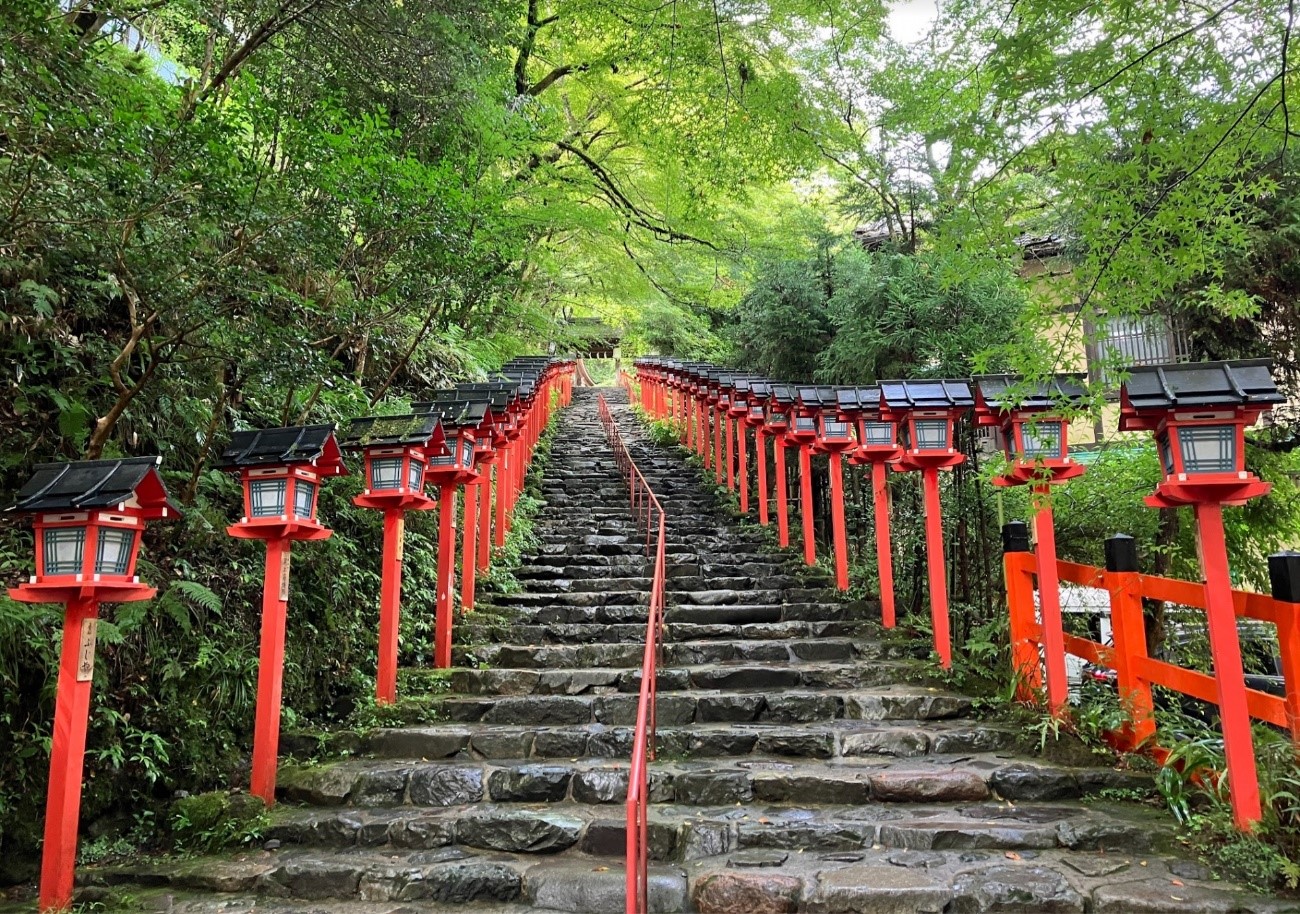
Kurama (鞍馬) and Northern area
This area is home to serene and tranquil temples. Since it is located along the mountain paths, we highly recommend wearing comfortable shoes and clothing while exploring.


Uji (宇治) and Southern area
This area is actually located in Uji City, just south of Kyoto. It is famous for its high-quality green tea, known as Uji Matcha (宇治抹茶), which has been used for centuries on special occasions and is widely recognized throughout Japan.
Key landmarks in the area include Byodoin Hououdo (平等院鳳凰堂), which is even featured on the 10-yen coin, and Fushimi Inari (伏見稲荷), famous for its thousands of Torii gates. Although Fushimi Inari is technically in Kyoto City, it is one of the most-visited sites by foreign tourists in the region.


Kyotango area (京丹後地方)
Kyotango is located in the northernmost part of Kyoto Prefecture and offers many scenic and cultural attractions. Its most famous site is Ama no Hashidate (天橋立), considered one of Japan’s three best views.
Another highlight is Ine no Funaya (伊根の舟屋), a historic fishing village protected by the Japanese government. About 230 traditional houses are built over the water, each with a boat garage underneath, showcasing the life of fishermen in earlier times.


Plan Your Muslim-Friendly Kyoto Journey
Kyoto offers a perfect blend of history, culture, and nature, all accessible in a safe and enjoyable way for Muslim travelers. By booking through our OTA, your trip is carefully planned with your needs in mind.
What you can enjoy with our Muslim-Friendly Tours:
- Halal dining: Carefully selected restaurants near temples, shopping streets, and major attractions
- Prayer-friendly spaces: Access to prayer areas at temples, shrines, and public facilities
- Avoid alcohol and pork: All tours are designed to respect dietary restrictions
- Expert guidance: Knowledgeable local guides familiar with Muslim travelers’ needs
✓Check how we ensure Muslim-friendly Tours in Japan